


The Psychology of Guilt: Why It’s So Powerful and How to Let It Go
Guilt is powerful because it speaks to our deepest values - love, responsibility, integrity, care. It reminds us of the kind of people we want to be.
But guilt is not meant to be a lifelong companion. Its purpose is to guide, not to chain. Once it has shown us what matters, we’re allowed to let it go.
The real work lies in learning the balance: to take responsibility without drowning in self-blame, to honor our values without punishing ourselves for being human.
Because at the end of the day, guilt doesn’t define you. What defines you is how you choose to respond — with repair, with growth, and with compassion.
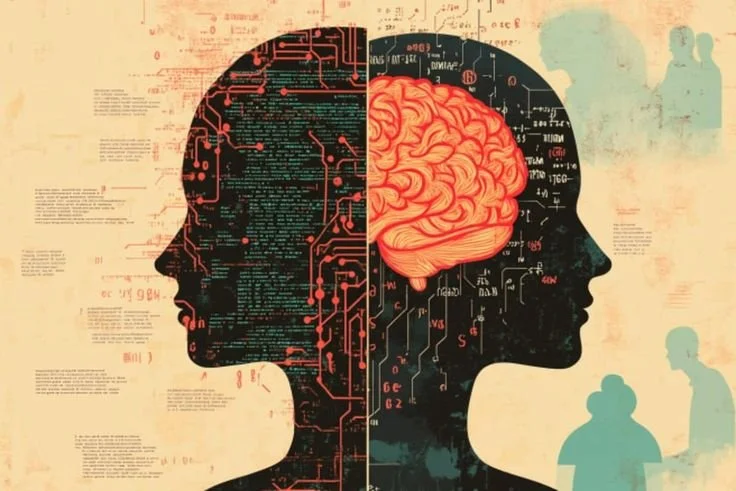
Cognitive Dissonance: Why We Feel Uncomfortable with Contradictions
That quiet, nagging discomfort that shows up? That “ugh” feeling when your choices don’t quite fit your words or beliefs? That’s cognitive dissonance.
It’s not just about food or fitness. It shows up in relationships, finances, careers, morals, and even how we see ourselves. It’s a universal psychological phenomenon that explains why we feel unsettled when our actions don’t match our values - and why we sometimes go to great lengths to cover up or justify those contradictions.
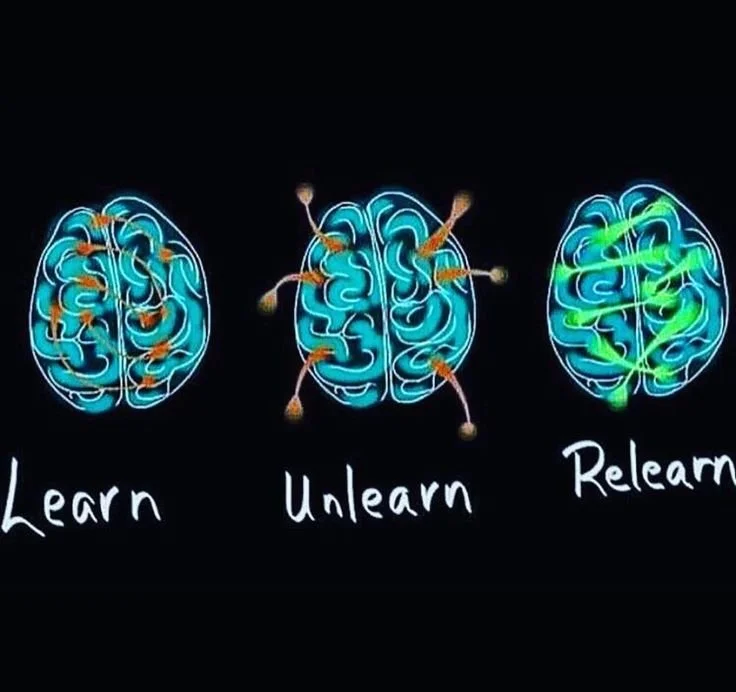
Neuroplasticity: How Your Brain Rewires Itself Throughout Life
Neuroplasticity tells us we are not defined by our past, our habits, or even our current struggles. The brain is continually writing and rewriting its story - and you hold the pen more than you think.
Yes, change takes effort. Yes, it requires patience. But it’s deeply possible. Every small choice you make - practicing kindness with yourself, trying again when it feels hard, staying open to learning - is a signal to your brain: this matters, build this pathway stronger.
You are not fixed. You are fluid, adaptive, and capable of growth throughout life.
At the heart of it, neuroplasticity reminds us of something deeply human: we exist at the center of our own unfolding reality, and we can shape it, one choice at a time.
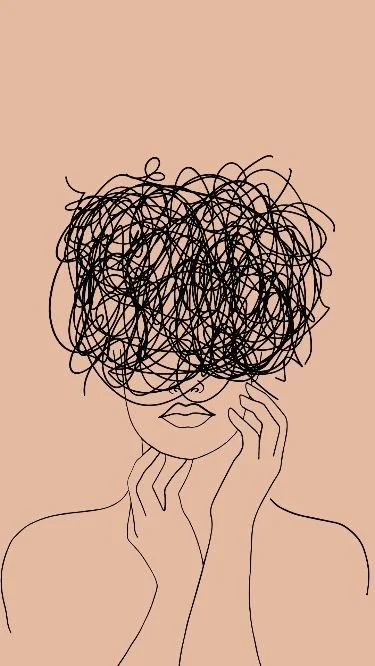
The Psychology of Overthinking: Why We Can’t Turn Off Our Minds
Overthinking is not a flaw. It’s often a sign of deep care - about your work, your relationships, your future, your place in the world. It reflects sensitivity and responsibility. But when left unchecked, it can blur your vision and drain your peace. The mind’s instinct is to solve, control, and protect. But not every uncertainty needs a solution, not every worry deserves rehearsal. The truth is, clarity doesn’t come from analyzing every angle. It comes from allowing ourselves to be present, to breathe into uncertainty, and to trust that not every question has to be answered right away. Because sometimes, the most powerful thing we can do is not to think harder - but to simply be. The more we understand overthinking as a cognitive process, not a personal flaw, the more empowered we become to interrupt it. Quieting the mind isn’t about silencing thought. It’s about creating space between the thought and the thinker. And in that space, we rediscover what matters most.

The Predictive Processing Theory: How the Brain Constructs Reality
At the end of the day, each of us stands at the very center of our own perceptual universe. We do not live in raw, unfiltered reality. We live in a reality sculpted by our minds, coloured by our experiences, and animated by our predictions.
The invitation is simple, but profound: notice the stories your brain tells. Question the predictions that limit you. Allow yourself to gently, courageously imagine new ones.
Because while you cannot control everything your brain predicts, you can influence the stories it leans toward. And in doing so, you reshape the very fabric of your lived reality.
We are all, in a sense, artists of perception - painting reality with the strokes of expectation, belief, and hope. And as you stand at the center of your universe, you hold the quiet but profound power to change the colours of your world.

Why Your Brain Loves Stories & Narratives
Whether it’s a child listening wide-eyed to a bedtime tale, a team inspired by a leader’s vision, or you reflecting on your own journey, stories are more than words. They’re bridges between minds.
So the next time you’re moved by a book, a movie, or even a personal anecdote, remember: it’s not just imagination. Your brain is telling you, “This matters. Pay attention. Learn from this.”
In the end, we don’t just love stories. We are stories - living, unfolding, and always in the making.
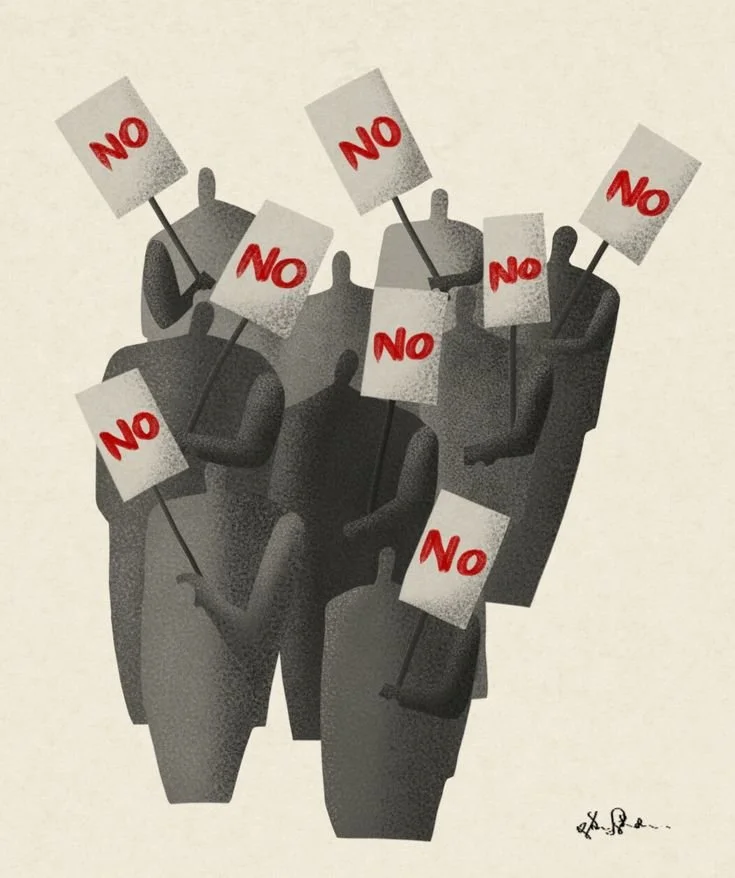
The Many Faces of Rejection
Rejection is one of those experiences that doesn’t leave easily.
It lingers, not just as a memory, but as a feeling in the body: a tight chest, a hollow stomach, a quiet ache that whispers, “You’re not enough.”
Whether it’s being turned down for a job, feeling excluded from a group, or experiencing heartbreak, rejection can feel deeply personal. And even when we try to rationalize it (“It wasn’t meant to be,” “Something better will come”), a part of us still absorbs it as proof of our inadequacy.
Rejection will never stop stinging, but it doesn’t have to define us. When we begin to see rejection not as proof of failure but as part of being human, we reclaim something powerful: our ability to keep showing up, even when it hurts.
Because the truth is, rejection doesn’t mean you’re unworthy.
It means you were brave enough to try, to reach, to open yourself to possibility.
And that is something deeply worth honoring.
The Power of a Growth Mindset, And How to Truly Embrace Challenges
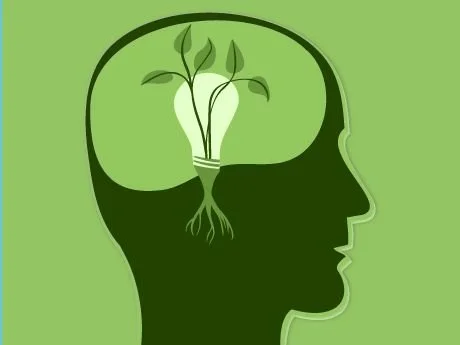
A growth mindset doesn’t erase fear or make challenges easy. It simply shifts the meaning you give them.
Every obstacle becomes a classroom. Every mistake becomes data.
And every challenge becomes a stepping stone, not a stumbling block.
If you can hold onto this truth - that you are always a work in progress, and that progress is worth the discomfort - then you’ll find that the very moments that once scared you are the ones that shape you most.

Fear: The Quiet Force That Shapes Us, and How to Live Beyond It
We like to think of fear as something we feel only in moments of danger. But often, and silently, fear lives in the everyday - in our relationships, our work, our hopes for the future. It’s in the hesitation before we say how we really feel. It’s in the decision we avoid making because we’re afraid of what it might set in motion. It’s in the way we hold on too tightly to people or roles because we can’t imagine life without them.
Decision Fatigue: Why We Struggle to Make Choices and How to Cope
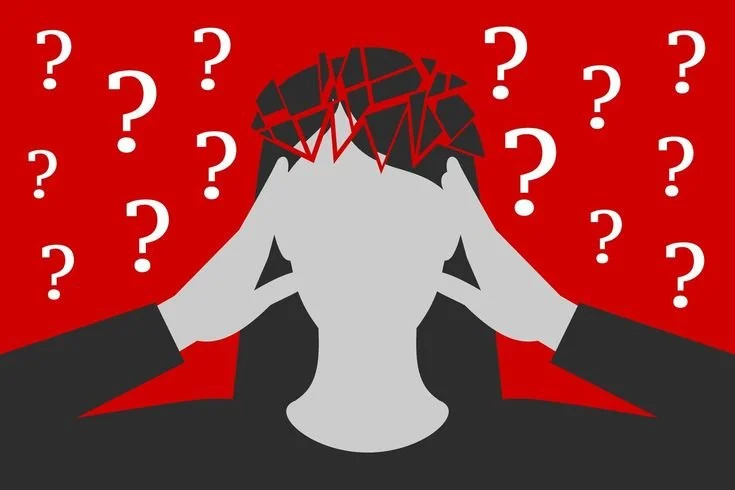
Every day, we’re faced with decisions - what to wear, what to eat, when to respond, how to phrase that message, whether to say yes, whether to say no.
Some decisions are small and automatic.
Others feel heavy, layered, and exhausting.
By mid-day (or sometimes, mid-morning), we may find ourselves scrolling mindlessly, putting things off, or feeling inexplicably irritable - unable to choose what once seemed simple.
This isn't laziness or indecision. It’s something very real: decision fatigue.
The Words We Whisper: How Self-Talk Shapes Our Inner World
We all have an inner voice - the quiet narrator that comments on our day, our choices, our mistakes, and our worth.
Sometimes it's gentle. Supportive. A steady hand on our back.
But other times, it’s harsh, it’s relentless. A voice that doesn’t sound like ours, yet speaks with so much control and authority.
This is self-talk - the way we speak to ourselves when no one else is listening. And while it may seem like background noise, it quietly defines the landscape of our inner world.

“Not Good Enough”: The Quiet Belief That Dims Even the Brightest Light
The world doesn’t need a more polished, perfect, or “proven” version of you - it needs a realer one.
One that knows growth isn’t the opposite of enough-ness - it’s born from it.
So the next time your mind says, “I’m not good enough,”
Pause.
Breathe.
And remember: That voice is loud, but it isn’t the truth.
You are already becoming, just by being here.
The Art of Forgiveness: Letting Go for Your Mental Health
Forgiveness is not a final destination, it's a quiet, powerful practice.
It’s how we reclaim parts of ourselves that were shaped by pain.
You don't have to do it all at once.
You don't have to feel ready.
You just have to know: it’s okay to want peace more than you want closure.
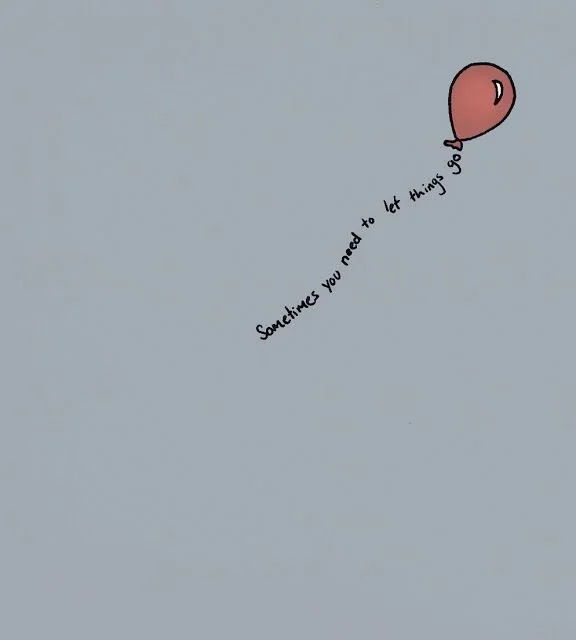
Letting go doesn't mean it didn't matter.
It means you matter enough to stop holding on.

Impostor Syndrome: Why We Doubt Ourselves and How to Overcome It
Impostor Syndrome isn’t a mental illness. It’s a pattern of self-doubt that makes people feel like frauds, even when they’re successful, competent, and qualified. They may attribute achievements to luck, timing, or others’ support, anything but their own effort and capability.
If you’ve ever felt like an impostor, chances are you’re not one. Real impostors don’t question themselves, they overestimate their competence. The very fact that you care, reflect, and worry means you’re conscious, not counterfeit.

The Role of Sleep in Mental Health: A Psychological Perspective
We often think of sleep as the last thing on the list - the thing we’ll catch up on over the weekend, or sacrifice when life gets busy. But sleep is not a luxury; it’s a biological necessity, a psychological anchor, and often, the missing link in our emotional wellbeing. Sleep is one of the most vital, yet most overlooked, foundations of emotional wellbeing. While we often speak of anxiety, depression, trauma, or burnout, what quietly threads through all of them is the quality of our rest.

The Psychology of Money: How Our Beliefs Shape Financial Decisions
What we call “money issues” are really unspoken emotional truths.
We think money is math.
Add, subtract. Earn, save.
Work hard, spend smart. Stick to a budget. Simple.
But for most of us, it’s not that simple.
Not because we’re irresponsible.
Not because we “lack discipline.”
But because money is emotional.
It carries stories from our childhood.
Memories of fights behind closed doors.
Guilt around asking. Fear around receiving.
Relief that never quite lasts.
Money, for many of us, is not logic, it’s identity.
The Science of Habits: How to Break Bad Ones and Build Good Ones
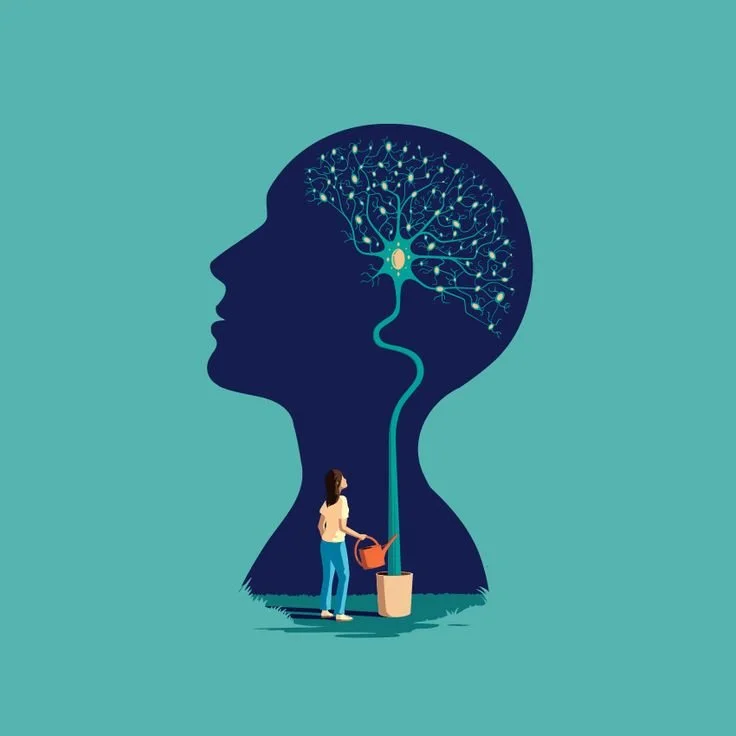
You don’t need more willpower. You need to understand your wiring.
Most people don’t struggle with habits because they’re lazy.
They struggle because they’ve been trying to fight their brain, instead of working with it.
The Healing No One Sees: Private Victories That Deserve to Be Named
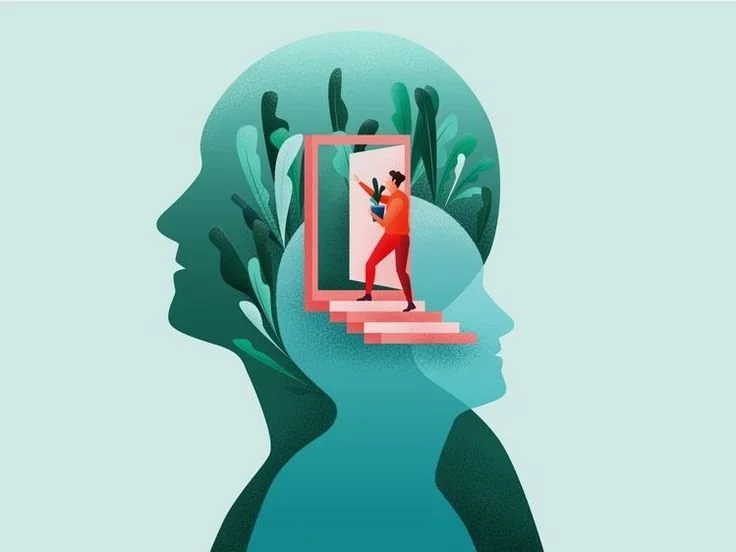
Not all progress is loud. Some healing is quiet, sacred, and only you know it happened.
There are moments in your healing journey that no one notices.
No one claps.
No one congratulates you.
No one even knows they happened.
But you do.
And those moments matter—more than anyone could possibly understand.
Healing Doesn’t Always Look Like Progress: The Hidden Parts of Getting Better
Some days in healing, you bloom. Other days, you just breathe. And both matter.
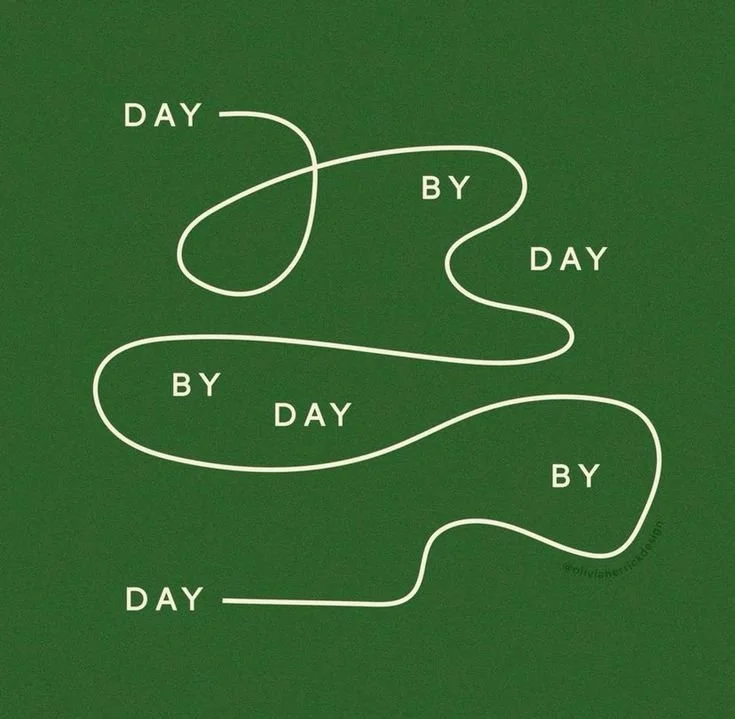
We often imagine healing as a straight path — marked by visible milestones, clear transformations, and linear growth. We expect ourselves to feel “better” every week, to keep moving forward, to have something tangible to show for all the effort we’re putting in.
But real healing?
It’s messy.
It’s slow.
And more often than not, it doesn’t look like progress at all.

That Restless Feeling You Can’t Quite Name? It Might Be FOMO.
FOMO isn’t evidence that your life is lacking.
It’s evidence that you’ve temporarily lost touch with your own center.
And the antidote? It’s not chasing more. It’s coming back to you.
To what feels right in your body.
To what gives your life meaning.
To what’s unfolding quietly but beautifully in the life you’re already living.